
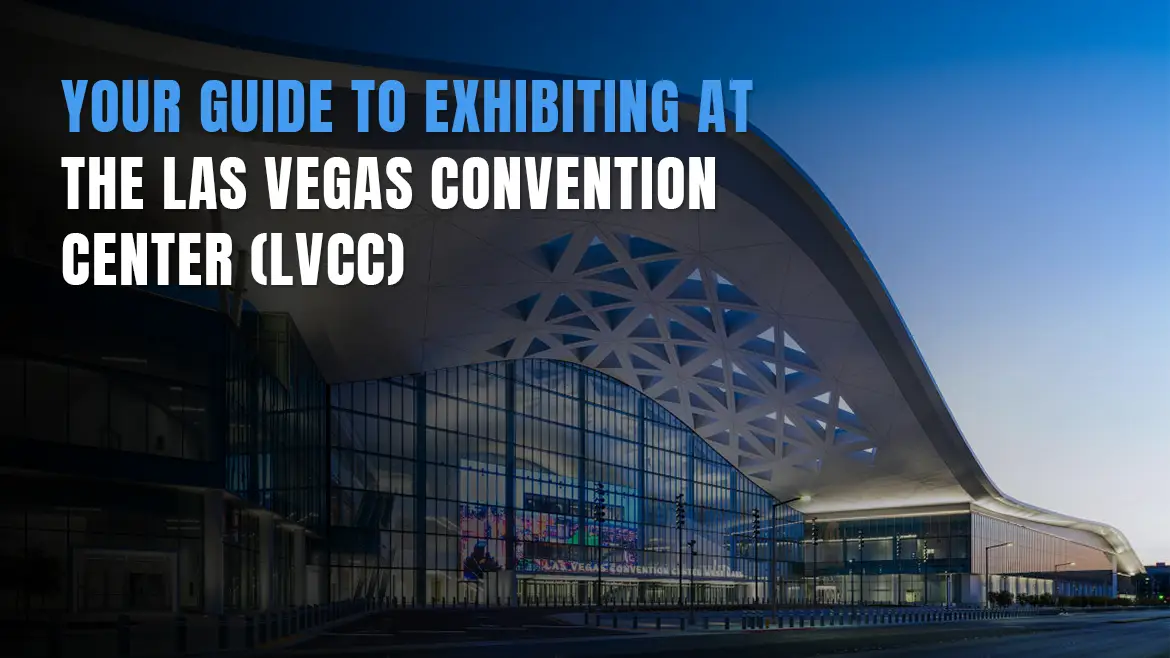
Your Guide to Exhibiting at the Las Vegas Convention Center (LVCC)
Exhibiting at the Las Vegas Convention Center (LVCC) is a big thing. You need more than a booth and a few banners. The LVCC is one of the largest show venues in the world. That brings big chances. It also brings big headaches.
Your results depend on a few key parts. You need the right space. You need a booth that draws people in. Your freight must show up on time. And you need to reach the right buyers. Many brands hire a trade show booth builder in Las Vegas to keep it all on track. This guide shows you how to plan, run, and track a strong show. Your spend can then turn into real growth.
1. Know the Size and Layout of the LVCC
Before you think about graphics or free gifts, get a feel for the size. The LVCC is run by the Las Vegas Convention and Visitors Authority. It has about 4.6 million square feet in all. Around 2.9 million of that is for exhibits.
The campus has four areas. They are the West, North, Central, and South Halls. Many events run at once. So you need to know just where you sit. The West Hall alone has about 600,000 square feet of show space.
Tip for guests: The site is huge. That means long walks. Tired guests do not stay long. The good news is the Vegas Loop. It links the West Hall to the North, Central, and South Halls. A 25-minute walk takes about two minutes on the Loop. In your ads, list your hall, booth number, and nearest door. Then guests can find you with ease.
2. Read the Exhibitor Manual and the Rules
Each event has its own rules and due dates. It also has its own list of approved vendors. These are in the show manual and the LVCC Facility Guide. Do not assume the rules from one Vegas show apply to the next.
Before you lock your design, check a few things. Check your booth size and ceiling limit. Check where the columns and power points sit. Then review these items:
- Fire and safety rules.
- Height rules for hanging signs.
- How to ship and handle freight.
- Set-up and tear-down times.
Build one master calendar. List each due date, from warehouse shipping to power orders. Miss those dates and you may pay thousands in late fees.
3. Pick the Right Booth Builder in Las Vegas
On a show floor this big, your booth fights for eyes. Hundreds of brands are near you. Some shows have thousands. So the builder you pick is a big choice. Pick a trade show booth builder in Las Vegas with a proven record. Plus, we have extensive experience with Las Vegas video wall rentals.
A good local builder does more than design. They make the booth. They print the graphics. They ship it and set it up. The LVCC is also strict with outside crews. These are called Exhibitor Appointed Contractors, or EACs. Each one needs a permit. They need proof of workers’ comp cover. They also pay a yearly fee, now listed at $250. A trusted local builder has all of this in place. They know the unions and the site. That saves you from costly delays.
4. Design an Open Booth for the Guest Path
Do not start with, “What should the booth look like?” Start with a better one. “What goal must this booth meet?” You may want 150 good leads. You may want to launch a new app. Or you may want 30 talks with top buyers. Your design should serve that goal.
Keep the layout open and warm. Skip big counters at the edge of your space. Plan a clear path for each guest:
- ATTRACT: Use big signs and bold graphics. People should spot you from far down the aisle.
- EXPLORE: Leave a corner or a few gaps open. Guests should feel free to walk in.
- EXPERIENCE: Build short live demos. Focus each one on a real problem. Let guests try it first hand.
- DISCUSS: Add meeting space. Real talks need time and quiet. Try small private rooms. Or use open tables with charge ports and screens.
- CAPTURE: Make it easy to log each guest’s data. Note their pain points and the next steps you agreed on.
5. Budget and Show Services
Your booth space fee is just the start. A real budget also covers design, build, show services, freight, marketing, and staff travel.
Here is the basic formula:
Total Exhibit Cost = Booth Space + Build or Rental + Show Services + Freight + Marketing + Staffing + Backup Fund (10-15%).
Power costs add up. The LVCC has been updated. It now has better power access and faster internet. Still, you must plan your needs well before move-in day. List your lights, screens, demo gear, and lead scanners.
Freight and handling, known as drayage, is the cost most firms guess too low. Decide early how you will ship. You can send goods to the advance warehouse. Or you can ship straight to the show. Keep a clear list of every crate, graphics case, and tech item.
6. Plan Your Pre-Show Marketing
Lots of foot traffic does not mean lots of buyers. Hoping people walk past your booth is a gamble. Build a pre-show plan that sends the right people to you.
Here is your timeline:
- 6 to 8 weeks out: Share the news. Use social media, email, and website banners.
- 4 to 6 weeks out: Promote what people will see in your booth. Share product launches and talks.
- 2 to 4 weeks out: Start firm campaigns to book meetings.
Big LVCC shows draw serious buyers. That makes account-based marketing, or ABM, a great fit. Find the accounts with the most value. Send each one a custom invite. Add a perk to the offer. Try a private talk with your execs. Or offer a VIP demo. You can lock in their time before their calendars fill up.
7. Staff Your Booth and Sort Your Leads
Even a great booth will fall flat with a weak team. Your staff should look busy and warm. Do not let them stand behind a counter and stare at phones.
Train your team to size up guests fast. Not every badge scan is a good lead. Give staff open questions to ask, such as:
- What problems brought you to the show this year?
- What tools do you use now, and where do they fall short?
- Are you set to buy now, or just looking ahead?
Use one lead system that sorts people on the spot. Tag each one:
- Hot: A sales chance right now.
- Warm: Strong interest, but not ready to buy.
- Nurture: Early research.
- Customer: An account that needs support.
This keeps your follow-up sharp and in order.
8. Follow Up and Track Your ROI
The show does not end when the hall closes. The busy part just starts. Build your follow-up plan before the event. Add it to your trade show exhibitors checklist next to the freight and power due dates.
- Within 24 hours: Send a personal email. Base it on the real talk you had at the booth. Send hot leads straight to your sales team.
- Within 3 to 5 days: Send any tech guides or white papers they asked for. Or book a live demo online.
Then check your true return on investment, or ROI. Do not judge the show by badge scans or booth visits alone. Track the whole funnel:
- Cost Per Qualified Lead (CPQL): Total Event Cost ÷ Number of Qualified Leads.
- Cost Per Opportunity: Total Event Cost ÷ Number of Pipeline Opportunities.
- Overall ROI: (Show Revenue − Total Cost) ÷ Total Cost × 100.
Keep in mind that B2B deals take time. A deal that starts on the LVCC floor can take months to close. It may even take a year. Track the pipeline long after you ship your booth home.
Conclusion
Exhibiting at the LVCC is a big bet with many moving parts. You must plan and budget for all of them. It is no small task to learn the 4.6 million square foot campus. It is just as hard to book your top accounts weeks ahead.
Set clear goals. Pick the right partner. Plan the guest journey. Then follow up fast. Do that and your LVCC show is more than a brand play. It becomes a machine that drives sales.
