
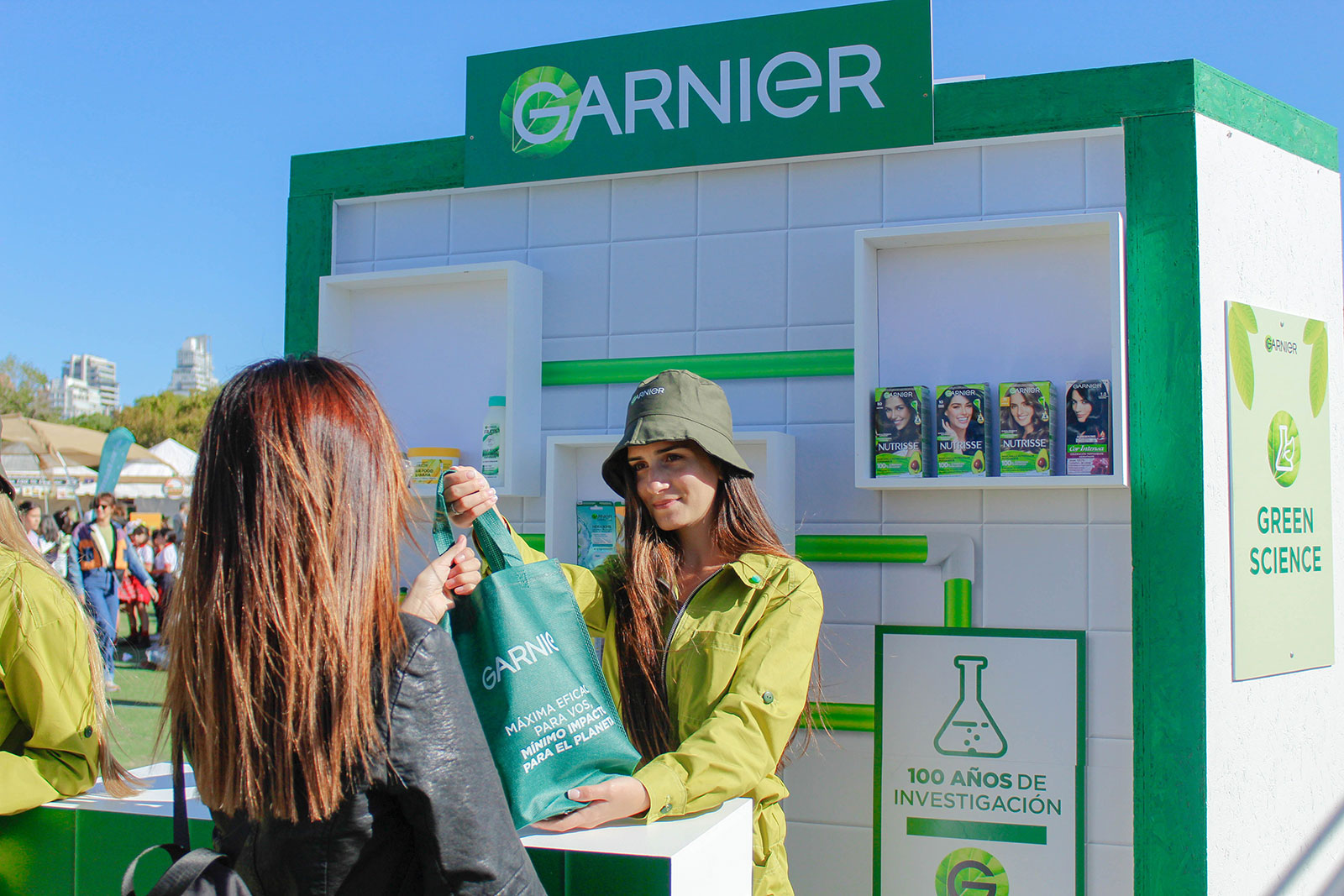
What determines if a brand event was successful? It can be measured by footfall, social media engagement or the number of promotional items handed out. While this data can show how well your branded space caught attention, none of these metrics tells you much about return on investment (ROI).
In many cases, you might see a stand or event space full of visitors throughout the day. However, there’s no proof that even one of these guests became a customer. This is where even some of the biggest brands go wrong. They build huge, eye-catching spaces filled with music, challenges and freebies, which attract lots of visitors. Then, at the end of the day, they feel disappointed when they review their lead data and find few inquiries and leads that are not right for their business.
While creating eye-catching event spaces and having experienced trade show staff is important, the most successful stands do more than look good. They combine strong design with ways to track ROI. This helps turn attention into real results. In this article, we will explore how to measure experiential marketing return on investment.
Event Objectives
The most important step in measuring ROI at your next brand event is to set clear goals. Without knowing what you want to achieve, you can’t judge how well your stand met those goals. Most brands that take part in exhibitions or hold their own events will have goals such as brand awareness, lead generation, product launches or customer growth. Your goals will affect which metrics you track during the event and which you review afterwards.
Branded events are often created to attract new customers. They can also help build customer loyalty and keep existing customers. REFY Beauty recently launched its valet campaign. This involved a series of community-focused events across the country, where they handed out some of their best-selling products, such as their brow sculpt and lip gloss. For REFY, the aim was to show customers that they value honest opinions and real connections. This was important in a market full of paid influencer content. To measure ROI, they looked at repeat customer rates, customer views and feedback.
Trackable Metrics
Once your event goals are clear, the next step is to choose which metrics to track on the day. These will help you measure how well the event performed. Here are some examples for events focused on lead generation or product launches:
Lead Generation
- Total number of email sign-ups from an event QR code
- Total number of qualified leads
- Total number of meetings booked at the event
Product Launches
- Sales made after product demos
- Number of product samples handed out
- Customer feedback from product demos
Post-Event Marketing
Many people think the main stages of a brand event are the planning and the live event itself. In fact, the days, weeks and even months after an event are just as important. This is when you can follow up with leads and measure ROI more accurately.
Not every lead from an event will make an inquiry straight away. Some may take two or six months to get in touch. You should still be able to track where these leads came from. To measure the long-term value of a brand event, many brands track key metrics after the event. These can include website traffic, online sales and social media growth over the next month or longer.
